Pediatric sedation dentistry in Greater Philadelphia
Some children need extra support to feel calm and safe during dental treatment. At Pediatric Dental Associates, our board-certified pediatric dentists offer a full range of sedation options, from mild relaxation with nitrous oxide to oral conscious sedation and coordinated general anesthesia for more complex cases. Every option is chosen for your child’s specific needs and delivered by trained pediatric dental professionals at our Greater Philadelphia locations.
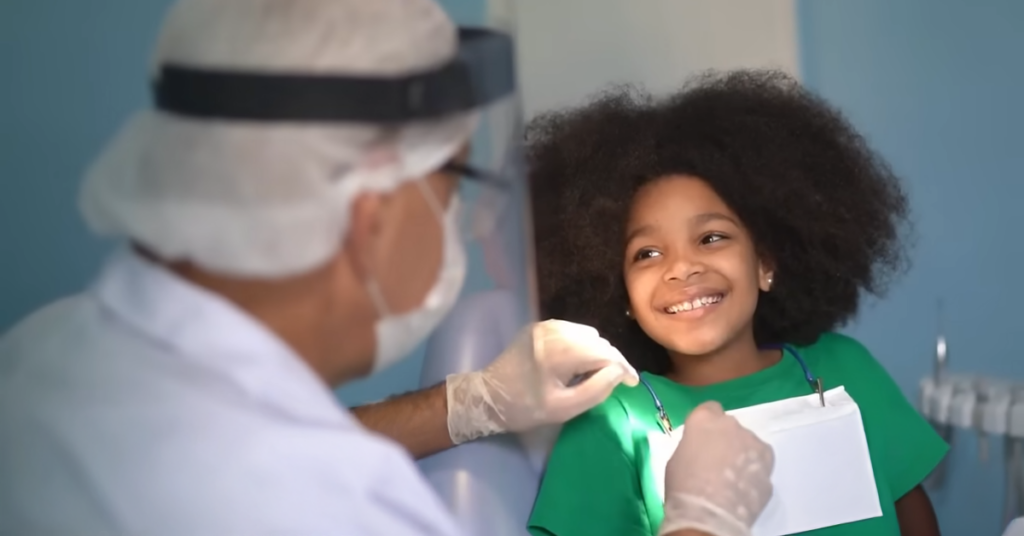
Is sedation right for my child?
- Children with significant dental anxiety who cannot be managed with behavior guidance techniques alone
- Very young children who need extensive treatment
- Children with a strong gag reflex that interferes with safe treatment
- Children with special healthcare needs who have difficulty completing standard visits
- Situations where the amount of necessary treatment makes multiple standard appointments impractical
We start with the least invasive approach and recommend sedation only when it genuinely helps your child get the care they need.
Oral conscious sedation
Oral conscious sedation uses a measured dose of sedative medication, taken by mouth at the office, to bring a child to a deeply relaxed but responsive state. It is a strong option for children with significant anxiety, extensive treatment needs, or difficulty sitting through longer appointments.
Nitrous oxide (laughing gas)
Nitrous oxide is the mildest form of sedation and the most commonly used for children. Delivered through a small mask over the nose, it helps your child relax while staying fully awake and responsive. The effect wears off within minutes of removing the mask, so your child can return to normal activities the same day. Nitrous oxide is well suited to mild to moderate anxiety and routine procedures.
How to prepare for your child’s sedation appointment
- Nothing to eat or drink after midnight the night before the appointment. If your child eats or drinks, the appointment must be rescheduled for safety.
- Dress your child in comfortable clothing such as pajamas or sweats. Bring a change of clothes.
- Schedule a morning appointment. Sedation appointments are only available in the morning after a restful sleep.
- Arrive on time or early. Sedative drugs are given orally at the office and require approximately one hour to take effect.
- Inform the dentist of all current medications and any medical conditions, past or present.
What To Expect During and After the Appointment
Your child takes the sedative medication by mouth at the office. After approximately one hour, when the medication has taken effect, treatment begins. Your child remains conscious and responsive throughout but deeply relaxed. A trained team member monitors your child continuously. Nitrous oxide may be used alongside oral conscious sedation for additional comfort, and a papoose blanket may be used to gently and safely stabilize your child during treatment.
After the appointment your child may be drowsy for several hours. A parent or guardian must remain present and available to take the child home immediately following treatment.
General anesthesia and hospital dentistry
For children with extensive treatment needs, very young children, or children with special healthcare needs who cannot safely tolerate treatment while awake, care under general anesthesia may be the right choice. PDA coordinates treatment within ambulatory surgery centers or nearby hospitals with appropriate anesthesia partners so your child can receive all needed care safely in a single visit. Our team walks families through the process, from evaluation to scheduling to aftercare.
Frequently Asked Questions
Yes, when administered by trained pediatric dental professionals following a full review of your child’s medical history and current medications. Our team follows established safety protocols and monitors your child throughout.
It depends on your child’s anxiety level, age, treatment needs, and health history. We start with the least invasive option and recommend stronger sedation only when it is the safest path. Nitrous oxide covers most routine cases; oral conscious sedation and general anesthesia are reserved for greater needs.
Oral conscious sedation typically produces anterograde amnesia, meaning most children do not remember the procedure even though they were responsive during it.
Coverage varies by plan. Some plans cover sedation when medically necessary; others do not. Call your nearest PDA location and our team can help you understand your benefits before scheduling.
If your child is referred for treatment under general anesthesia, treatment will be performed at either Children’s Dental Surgery of Philadelphia (located next to PDA Allegheny Ave), Cooper University Hospital, or St. Christopher’s Hospital for Children.



